
 EN
 AR
 BG
 HR
 CS
 DA
 NL
 FI
 FR
 DE
 EL
 HI
 IT
 JA
 KO
 NO
 PL
 PT
 RO
 RU
 ES
 SV
 TL
 VI
 TH
 TR
 GA
 CY
 BE
 IS
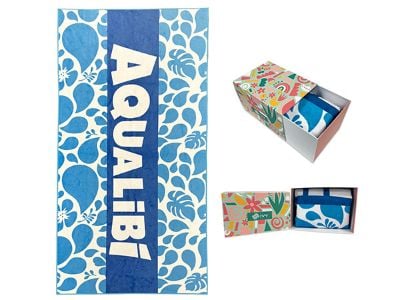
When sourcing recycled beach towels, commercial buyers must navigate various factors to ensure they make informed purchasing decisions. Understanding what to verify before sourcing recycled beach towels can significantly impact product quality, sustainability efforts, and overall cost-effectiveness. This article will outline the essential aspects of sourcing recycled beach towels, focusing on the key specifications, quality evaluations, cost considerations, and material choices that matter most to B2B buyers
What to Look for When Sourcing Recycled Beach Towels Wholesale
When sourcing recycled top rated beach towels wholesale, buyers should prioritize several important criteria. First, confirm the percentage of recycled material used in the towels, as this affects both sustainability claims and product quality. A higher percentage of recycled fibers often translates to better environmental impact, but it may also influence the towel's softness, durability, and absorbency
Next, investigate the manufacturer's production processes. A reputable manufacturer like Wuxi Ivy Textile Co., Ltd. should have transparent practices regarding how recycled materials are sourced and processed. Look for certifications that validate these practices, such as Global Recycled Standard (GRS) or OEKO-TEX® certifications, which ensure the products meet established environmental and safety standards
Lastly, consider the manufacturer’s ability to provide customization options. Many buyers prefer to have their branding or specific dimensions included in their bulk orders. Understanding the manufacturer's capabilities in customization will help align the product with your brand’s needs
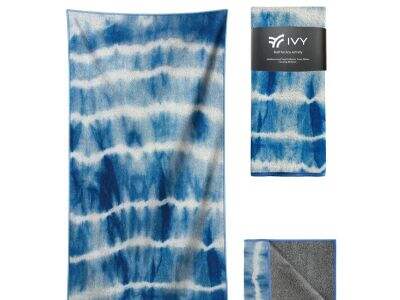
How to Evaluate the Quality of Recycled Beach Towels for Bulk Orders
Evaluating the quality of recycled beach towels is crucial for ensuring they meet your specific requirements. Start by assessing the fabric composition. Microfiber, commonly used in beach towels, offers excellent absorbency and quick-drying properties. However, the quality of the microfiber can vary widely. Buyers should request samples to assess texture and durability before placing bulk orders
Another critical factor is the towel's weight, typically measured in grams per square meter (GSM). A higher GSM often indicates a thicker, more absorbent towel, while a lower GSM may result in a lighter, potentially less durable product. For beach towels, a GSM of 300 to 450 is generally preferable, striking a balance between comfort and portability
Additionally, inspect the stitching and finishing details, as these can impact the towel's longevity. Double-stitched edges and reinforced seams can prevent fraying and ensure the towel withstands frequent use, especially in a commercial setting
Key Specifications to Verify in Recycled Beach Towels for Projects
When evaluating specifications for recycled great beach towels, focus on the following key parameters
Material Composition: Verify the percentage of recycled content. Ideally, towels should contain at least 50% recycled fibers. This not only enhances sustainability but also affects the fabric's performance characteristics
Size and Dimensions: Confirm the dimensions of the towels. Standard beach towels are typically around 30” x 60”, but custom sizes may be necessary depending on your project requirements
Weight (GSM): As mentioned earlier, an appropriate GSM is essential. Ensure that the towels meet your desired weight specifications for the intended use, whether for retail, promotional purposes, or hospitality
Colorfastness: Ensure that the towels undergo proper dyeing processes to maintain color vibrancy and prevent fading after washing. This is particularly important for branded products that require consistent appearance over time
Care Instructions: Confirm recommended care instructions to ensure the towels retain their quality and performance post-purchase
By paying attention to these specifications, buyers can better align their orders with their project goals
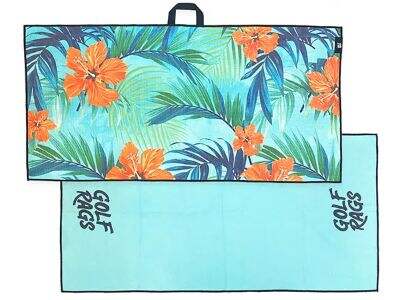
Cost Considerations When Purchasing Recycled Beach Towels in Bulk
Cost is a significant factor when purchasing recycled beach towels in bulk. Buyers should consider several cost components beyond the unit price
Minimum Order Quantity (MOQ): Manufacturers often set MOQs that can impact overall costs. Understanding the MOQ helps buyers assess whether they can meet the minimum while still achieving a favorable price
Customization Fees: If branding or custom sizes are required, additional costs may apply. Ensure you receive a clear breakdown of these fees in your quotations to avoid surprises
Shipping and Handling: Factor in shipping costs, as these can vary significantly based on order size and destination. Bulk orders may qualify for reduced shipping rates, so it’s worth discussing logistics with the supplier
Payment Terms: Clarify payment terms upfront. Some manufacturers may offer discounts for upfront payments or flexible terms for larger orders
Long-term Partnerships: Consider the potential for long-term sourcing relationships. Establishing a partnership with a reliable supplier may result in better pricing and terms over time
By thoroughly analyzing these cost considerations, buyers can optimize their budgets while ensuring quality
How Material Choices Affect the Quality of Recycled Beach Towels
Material choices play a crucial role in determining the quality of recycled beach towels. The primary material used in these towels is typically microfiber, which is favored for its lightweight, highly absorbent, and quick-drying properties. However, not all microfiber is created equal; its quality can vary based on the production process and the source of the recycled materials
When selecting materials, buyers should verify the type of recycled fibers used. For instance, towels made from post-consumer recycled plastics can offer excellent durability and softness but may differ in feel and performance compared to those made from post-industrial recycled cotton. Each material has its unique advantages and potential drawbacks, which should align with the intended use of the towels
Additionally, buyers should consider the manufacturing processes that enhance material performance, such as advanced weaving techniques or special treatments that improve absorbency or reduce drying time. Understanding these material implications can help buyers make informed decisions that meet both quality and sustainability goals
By focusing on these critical aspects, commercial buyers can ensure they are well-prepared to source high-quality recycled custom beach towels that align with their business needs and sustainability objectives
Table of Contents
- What to Look for When Sourcing Recycled Beach Towels Wholesale
- How to Evaluate the Quality of Recycled Beach Towels for Bulk Orders
- Key Specifications to Verify in Recycled Beach Towels for Projects
- Cost Considerations When Purchasing Recycled Beach Towels in Bulk
- How Material Choices Affect the Quality of Recycled Beach Towels