
 EN
EN
 AR
AR
 BG
BG
 HR
HR
 CS
CS
 DA
DA
 NL
NL
 FI
FI
 FR
FR
 DE
DE
 EL
EL
 HI
HI
 IT
IT
 JA
JA
 KO
KO
 NO
NO
 PL
PL
 PT
PT
 RO
RO
 RU
RU
 ES
ES
 SV
SV
 TL
TL
 VI
VI
 TH
TH
 TR
TR
 GA
GA
 CY
CY
 BE
BE
 IS
IS
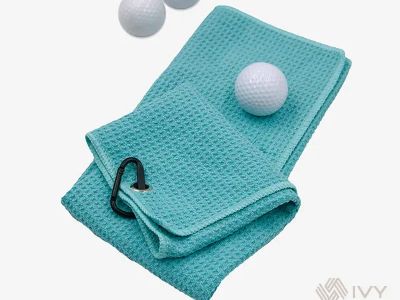
Private label brands are increasingly turning to single-source suppliers for custom microfiber towels, opting for streamlined operations and enhanced quality control. This shift reflects the growing demand for efficiency and consistency in supply chains. As a purchasing manager, you may have concerns about product specifications, lead times, and cost factors when sourcing microfiber towels. This article aims to clarify these issues, providing insights into the benefits of single-source suppliers, and offering practical advice on evaluating and sourcing custom microfiber towels
Comparing Cost Factors for Bulk Orders of Microfiber Towels
When purchasing microfiber towels in bulk, several cost factors come into play. First, the price per unit typically decreases with larger order volumes due to economies of scale. However, it’s essential to consider additional costs that can impact the total expenditure, such as shipping, customs duties, and storage fees
Microfiber towels are often produced from polyester and polyamide blends, which can vary in price depending on quality and source. For instance, higher GSM (grams per square meter) towels offer better absorbency and durability but may come at a premium. Additionally, customization costs, such as printing or embroidery, should be factored in when obtaining quotes
Buyers should request detailed quotations that include all potential costs, enabling a comprehensive evaluation of total purchasing costs before making a decision
Applications and Use Cases for Custom Microfiber Towels
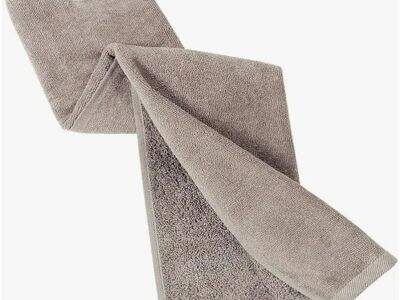
Custom microfiber towels are versatile products suitable for various applications across multiple industries. Commonly used in automotive detailing, these towels excel at trapping dirt and dust without scratching surfaces. In the hospitality sector, they serve as high-quality towels for spas and hotels, providing a luxurious feel while maintaining durability
In fitness and wellness, microfiber towels are increasingly popular due to their lightweight nature and quick-drying properties, making them ideal for gym-goers and yoga practitioners. Additionally, they are used in household cleaning, where their ability to absorb liquid and capture particles enhances cleaning efficiency
Understanding the specific application requirements is crucial for selecting the right microfiber towel type. Buyers should consider factors such as absorbency, size, and finish based on the intended use to ensure optimal performance
Installation Guidance for Distributors on Microfiber Towel Products
For distributors, proper installation and handling of microfiber towel products are essential to maintaining quality and performance. Firstly, it is advisable to educate customers on washing and care instructions to preserve the towel's material integrity. Microfiber towels should be washed separately in cold water with mild detergent, avoiding fabric softeners that can clog the fibers
When packing and shipping towels, ensure they are folded neatly to prevent creasing and damage. Additionally, provide clear labeling on packaging that includes care instructions and product specifications, as this can enhance customer satisfaction and reduce return rates
Distributors should also consider creating sample kits for potential clients, allowing them to evaluate the product quality firsthand before committing to larger orders. This step can significantly improve customer confidence in their purchase
Evaluating Quality Control in Microfiber Towel Manufacturing
Quality control is a pivotal aspect of microfiber towel manufacturing, influencing both product performance and customer satisfaction. Effective quality control measures should encompass raw material inspection, in-process monitoring, and final product testing
For instance, manufacturers should assess the microfiber's denier, which indicates the thickness of the fibers; a lower denier results in a softer, more absorbent towel. Additionally, testing for Colorfastness, durability, and absorbency is crucial. Buyers should inquire about the manufacturer’s quality control processes and request certifications that confirm adherence to industry standards
It’s also recommended to conduct periodic audits of the manufacturing process, especially for long-term partnerships. This ensures that quality remains consistent over time and that any production issues are addressed promptly
Best Practices for Sourcing Custom Microfiber Towels Wholesale
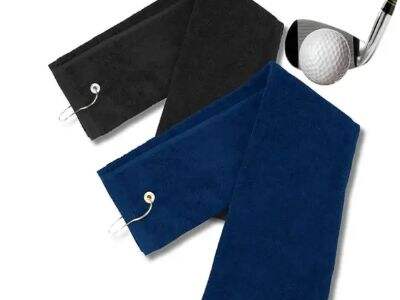
Sourcing custom microfiber towels requires a structured approach to ensure alignment with business needs and quality expectations. Begin by clearly defining specifications, including dimensions, materials, and any customization requirements. This clarity will facilitate accurate quotations and minimize misunderstandings
When evaluating potential suppliers, consider their manufacturing capabilities, lead times, and past performance. Request samples to assess the quality firsthand and verify that it meets your standards. During this stage, also evaluate their responsiveness and communication practices, as these are indicative of how the supplier will handle future orders
It is prudent to request references from other clients to gauge reliability and customer satisfaction. Finally, ensure that you discuss and confirm minimum order quantities (MOQs) and payment terms upfront to avoid surprises later in the purchasing process
By adhering to these best practices, buyers can confidently source high-quality custom microfiber sport towels that meet their operational needs while building strong supplier relationships
Table of Contents
- Comparing Cost Factors for Bulk Orders of Microfiber Towels
- Applications and Use Cases for Custom Microfiber Towels
- Installation Guidance for Distributors on Microfiber Towel Products
- Evaluating Quality Control in Microfiber Towel Manufacturing
- Best Practices for Sourcing Custom Microfiber Towels Wholesale