
 EN
 AR
 BG
 HR
 CS
 DA
 NL
 FI
 FR
 DE
 EL
 HI
 IT
 JA
 KO
 NO
 PL
 PT
 RO
 RU
 ES
 SV
 TL
 VI
 TH
 TR
 GA
 CY
 BE
 IS
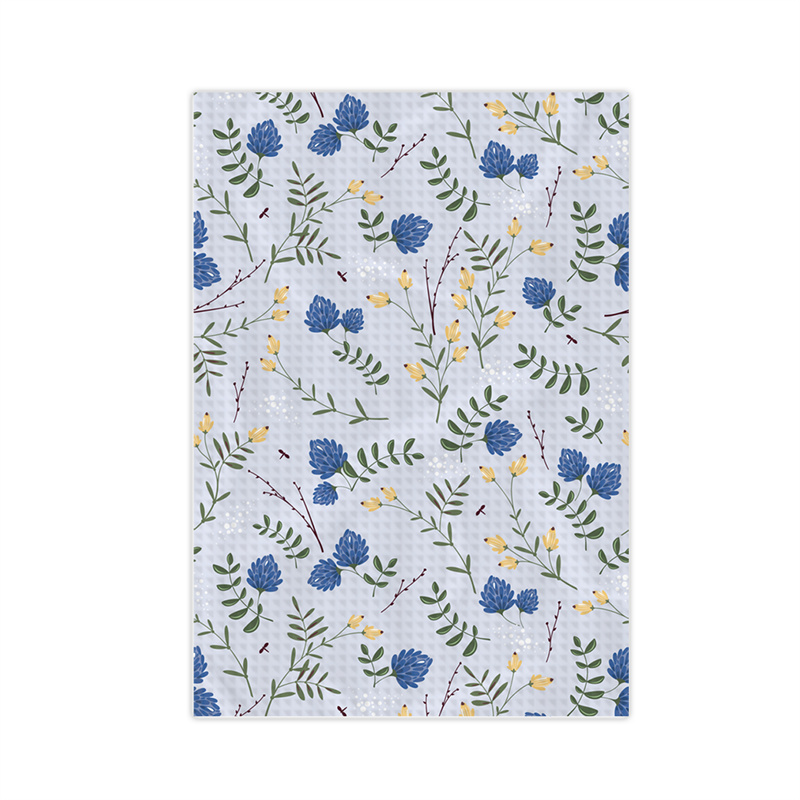
Turning tea towels into a branded retail product instead of a low-margin add-on requires careful consideration of several factors. Businesses looking to capitalize on this versatile product often have concerns about quality, cost, and the overall potential for profit. This article will guide you through the key specifications, quality evaluation methods, cost factors, common sourcing challenges, and strategies to maximize profit margins with branded tea towels.
Key Specifications for High-Quality Tea Towels in Bulk Orders
When sourcing tea towels for branding, it's important to focus on several key specifications that can significantly impact quality and usability. The primary specifications to consider include:
Material: High-quality cotton or microfiber is preferable. Cotton offers excellent absorbency and is soft against the skin, making it ideal for kitchen use. Microfiber, on the other hand, provides superior cleaning capabilities and quick drying times, which can appeal to health-conscious consumers.
Weight: The weight of the towel, typically measured in grams per square meter (GSM), affects both durability and absorbency. For kitchen and retail uses, a GSM of 300-400 is usually optimal, balancing thickness with practicality.
Dimensions: Standard sizes are important for consistency in branding. Common dimensions for tea towel range from 18" x 28" to 20" x 30". Ensuring uniformity in size helps maintain brand identity across different products.
Finishing: Edging and hem styles can affect both aesthetics and durability. Double-stitched hems are recommended for added strength, especially for towels that will undergo frequent washing.
By specifying these characteristics when placing bulk orders, businesses can ensure their tea towels meet both functional and branding requirements.
How to Evaluate the Quality of Tea Towels for Retail Branding
Evaluating the quality of tea towels before placing a large order is essential for ensuring that the final product aligns with brand expectations. Here are practical steps to assess quality:
Request Samples: Always request samples before placing a bulk order. Evaluate the sample's absorbency, softness, and durability. Testing the towel under actual conditions, such as drying dishes or cleaning surfaces, will provide a clearer picture of performance.
Check for Certifications: Verify if the manufacturer holds relevant quality certifications, such as OEKO-TEX® or GOTS for organic textiles. These certifications ensure that the materials used are safe and sustainable, which can be a strong selling point for retail branding.
Inspect the Stitching and Seams: Examine the stitching quality and seam finishes closely. High-quality towels will have tight, even stitching with no loose threads or fraying. This not only affects durability but also contributes to the overall appearance of the product.
Colorfastness and Shrinkage Testing: After washing samples, check for color fading or shrinkage. Quality tea towels should retain their color and size after multiple washes, ensuring they remain appealing to consumers.
By applying these evaluation methods, businesses can mitigate the risk of receiving subpar products that could harm their brand reputation.
Cost Factors to Keep in Mind for Wholesale Tea Towel Purchases
Understanding the cost factors involved in sourcing cotton tea towels is crucial for maintaining healthy profit margins. Here are key considerations:
Material Costs: The choice of material directly impacts the base cost of the towels. Organic cotton or specialty microfiber may have higher upfront costs, but they can justify a higher retail price due to perceived quality.
Customization Options: Custom designs, patterns, or embroidered logos will increase production costs. Businesses should weigh the benefits of customization against the potential for higher retail prices.
Minimum Order Quantities (MOQ): Manufacturers often have MOQs that can influence overall costs. Understanding the MOQ will help in budgeting and forecasting inventory needs.
Shipping and Import Duties: Factor in shipping costs, especially if sourcing from overseas manufacturers. Import duties can significantly impact the final cost, so it's crucial to include these in the overall price assessment.
By being mindful of these cost factors, businesses can make informed decisions that align with their financial goals while ensuring product quality.
Common Problems When Sourcing Tea Towels and Their Solutions
Sourcing tea towels can come with challenges that may disrupt production timelines and affect product quality. Here are common problems and their solutions:
Inconsistent Quality: Variations in quality between batches can occur, especially if sourcing from multiple manufacturers. To combat this, establish a strong relationship with a single supplier who can ensure consistency through rigorous quality checks.
Delays in Production: Production delays can occur due to equipment issues or supply chain disruptions. Buyers should negotiate clear timelines in contracts and consider having backup suppliers to mitigate risks.
Miscommunication on Specifications: Misunderstandings about product specifications can lead to unsatisfactory products. To avoid this, provide detailed technical drawings and specifications during the ordering process and confirm that the manufacturer understands the requirements.
Shipping Issues: Delays or damage during shipping can derail product launches. Work with reliable logistics partners and consider insurance for high-value shipments to protect your investment.
By anticipating these challenges and implementing strategies to address them, businesses can streamline the sourcing process and maintain a steady supply of quality tea towels.
How to Maximize Profit Margins with Branded Tea Towels as Products
Turning tea towels into a profitable branded product requires strategic planning. Here are effective strategies to maximize profit margins:
Positioning and Branding: Develop a strong brand identity around the tea towels. Highlight unique selling points such as eco-friendliness, superior absorbency, or artisan craftsmanship. A compelling brand story can justify premium pricing.
Effective Marketing: Utilize social media and online marketplaces to reach target audiences. Showcase the towels in action through lifestyle imagery, emphasizing their utility and design. Engaging content can drive consumer interest and boost sales.
Strategic Pricing: Analyze competitors’ pricing strategies to determine the optimal price point. Offering tiered pricing based on bulk orders can incentivize larger purchases while maintaining profitability.
Diversification of Product Line: Consider expanding the product range to include coordinating items such as dishcloths or oven mitts. This not only increases average order value but also strengthens brand presence in the kitchenware segment.
By implementing these strategies, businesses can transform eco friendly tea towels from low-margin add-ons into high-value branded products that contribute significantly to their bottom line.
Table of Contents
- Key Specifications for High-Quality Tea Towels in Bulk Orders
- How to Evaluate the Quality of Tea Towels for Retail Branding
- Cost Factors to Keep in Mind for Wholesale Tea Towel Purchases
- Common Problems When Sourcing Tea Towels and Their Solutions
- How to Maximize Profit Margins with Branded Tea Towels as Products